By Sunahwar Ali London :
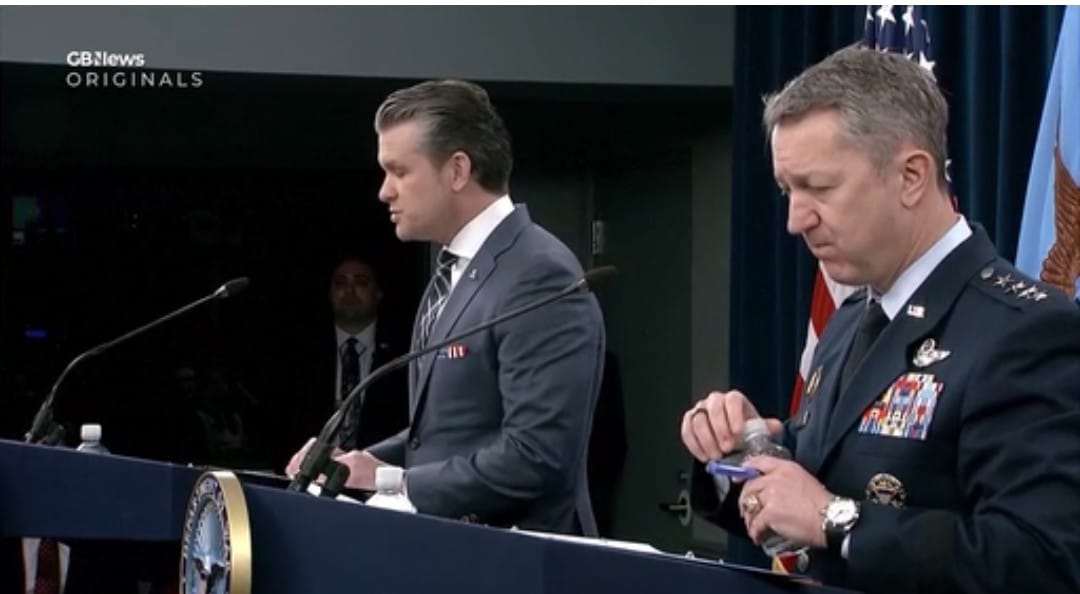
In a world drowning in conflict, the news that the United States has put forward a 15-point peace proposal to Iran—with Pakistan acting as an intermediary—offers a rare glimmer of hope.
As someone who has spent a lifetime campaigning against racism, injustice, and corruption on the streets of Tower Hamlets and in the corridors of power in Dhaka,
I know that peace is never simply a document signed by politicians. It is a living promise to the millions of ordinary people whose lives hang in the balance.
We have seen this play out before. From the war-torn villages of Yemen to the volatile waters of the Strait of Hormuz, the human cost of this ongoing conflict has been devastating. Families in Dhaka, London, and Karachi feel it in the price of energy and the anxiety of watching a region edge closer to the brink. Any initiative that seeks to de-escalate tensions must be taken seriously—but it must also be scrutinised through the lens of justice, not just geopolitics
The Role of Pakistan:
A Double-Edged Sword
Pakistan’s involvement as an intermediary is significant. As a nation with deep historical ties to both the West and the Islamic Republic, Islamabad possesses a unique, if complex, capacity to facilitate dialogue. Prime Minister Shehbaz Sharif’s offer to “host talks” is a positive step. However, as an anti-corruption campaigner, I caution that such mediation must be transparent and accountable. Too often in our region, back-channel negotiations have served the interests of elites and military establishments rather than the people who suffer the consequences of war.
If Vice President JD Vance is indeed being tipped as the lead negotiator to replace previous envoys, this could signal a fresh start. But fresh faces mean nothing without a fresh approach—one that prioritises diplomacy over brinkmanship and mutual respect over coercion.
What the 15 Points Must Deliver
While the full details of the proposal remain confidential, speculation suggests it covers Iran’s nuclear programme, ballistic missiles, and support for regional proxies. These are undeniably critical issues.
But any peace plan that hopes to endure must also address the root causes of instability: foreign interference, economic strangulation, and the collective punishment of civilian populations through sanctions.
We have seen in Palestine, in Yemen, and in our own history of anti-racist struggle that peace imposed through economic warfare is no peace at all. It is merely a slower form of violence.
If the 15-point plan is to have legitimacy, it must include:
·A clear pathway to lifting oppressive sanctions that harm ordinary Iranians, not just their government.
· Guarantees against future military intervention, ensuring that diplomacy becomes the only tool for resolving disputes.
·Regional inclusivity, giving voice to the neighbours of Iran—including the Gulf states, Iraq, and the people of Yemen—who have been most affected by the proxy conflicts.
Lessons from London to Dhaka
My work in Tower Hamlets taught me that sustainable change comes from the ground up. The Bengali community in East London, many of whom have family ties to the Middle East, understands all too well the ripple effects of war.
A conflict with Iran would not be contained within its borders;
it would be felt in every major city with a significant Muslim and South Asian diaspora, stoking division, Islamophobia, and economic hardship.
Similarly, from my perspective in Dhaka, Bangladesh knows the importance of navigating between global powers without losing sovereignty. Pakistan’s role as a mediator offers a chance for South Asia to demonstrate diplomatic maturity. But this must not come at the cost of becoming a pawn in wider strategic games.
A Call for Justice-Based Diplomacy
I have spent my career opposing racism, injustice, and corruption because
I believe that peace without justice is merely a ceasefire waiting to be broken. As the world watches how Tehran receives this 15-point proposal,
I urge all parties to remember the following:
1. Transparency matters. Secret deals breed corruption and public cynicism. The broad contours of any agreement must be shared with the people.
2. Humanitarian needs come first. Any negotiation must include immediate measures to alleviate suffering—ensuring the free flow of food, medicine, and essential goods.
3. Anti-racism must be a pillar. The Iranian people, like the Palestinians, the Yemenis, and our own communities in the diaspora, must not be dehumanised or reduced to bargaining chips.
The road ahead is fraught with difficulty. Mistrust runs deep, and the legacy of broken agreements—from the original nuclear deal to the assassination of Iranian generals—looms large. But I remain convinced that dialogue is the only alternative to disaster.
If Pakistan can genuinely facilitate a just and equitable resolution, and if the United States is willing to engage on the basis of mutual respect rather than regime change, then perhaps this 15-point proposal can become more than a headline. Perhaps it can be the beginning of a long-overdue reckoning with the cycles of war that have plagued the Middle East for decades.
As I have often said in my campaigning work from London to Dhaka:
we must never stop demanding that the powerful be held accountable to the people.
Let us hold this peace process to that same standard.
Sunahwar Ali: is a former Chief Whip of Tower Hamlets Council and a long-time campaigner against racism, injustice, and corruption. He divides his time between London and Dhaka, working with communities affected by conflict and inequality. London/ Bangladesh.